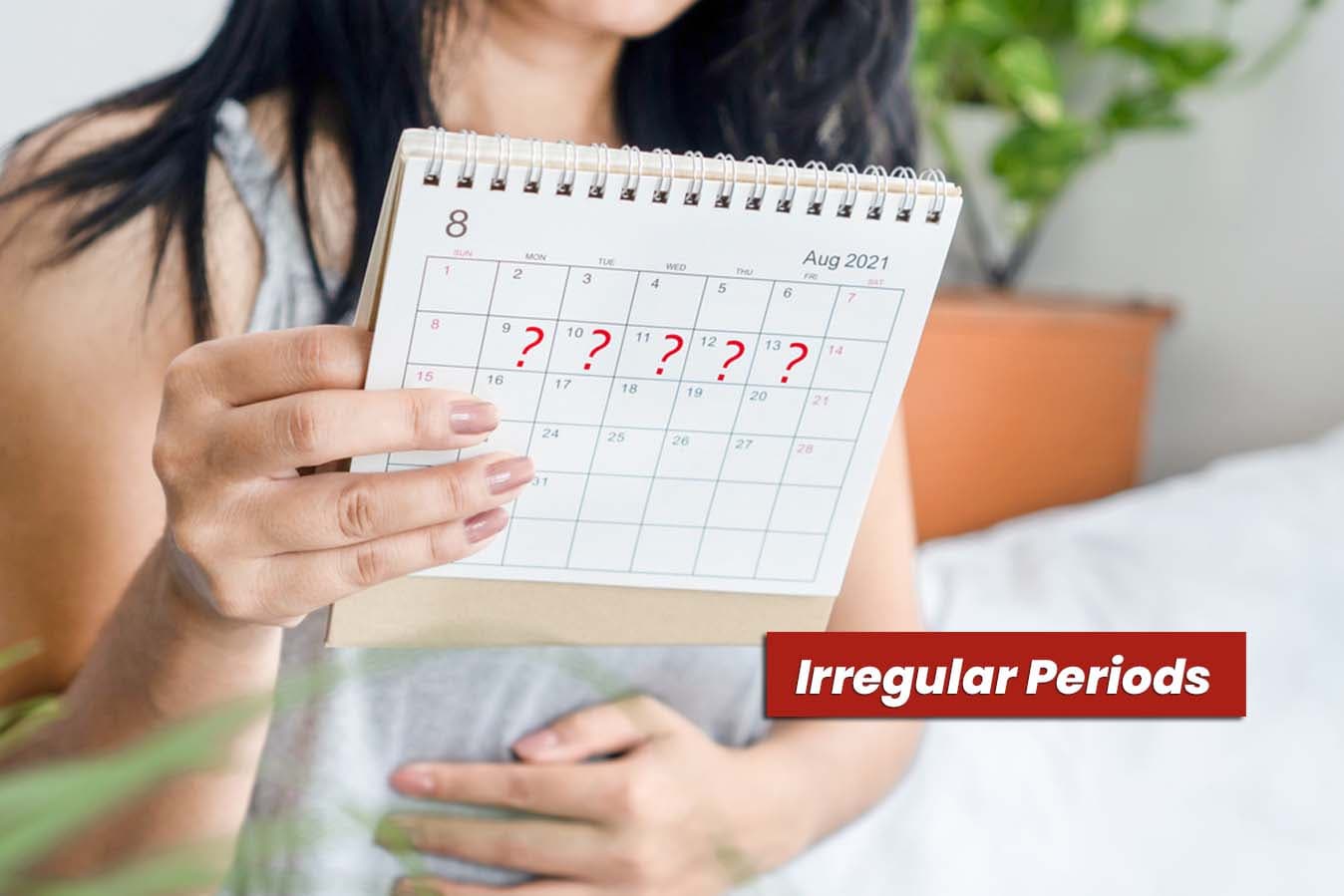
What does it mean to have periods that aren't regular?
Most women and people who were born female have periods that last four to seven days. Your period usually lasts for 28 days. It might still be anywhere from 21 to 35 days, though. The average length of a cycle is actually 29 days. Hormone level changes, stress, certain health problems, drugs, and more can all cause irregular periods (or irregular menstruation).
What are some examples of periods that aren't regular?
It's still called "regular" even if your period changes a little from cycle to cycle. Some examples of irregular periods are:
1. Periods are 21 or 35 days apart.
2. Use three or more periods.
3. Heavy or light menstrual bleeding.
4. Periods over seven days.
5. Cycles vary by more than nine days. Some cycles endure 28 days, others 37 days, and others 29 days.
6. Excruciating, nauseating, or vomiting periods.
7. Period, postmenopause, or post-sex bleeding or spotting.
8. Soaking many sanitary napkins or tampons in an hour.
It's okay if your menstrual cycle doesn't always follow a set pattern. It's normal for your cycle duration to change a little bit or for your period to feel a little heavier or lighter than the last one. Menstrual abnormalities are quite common, and it is not essential to precisely ascertain one's cycle for it to be considered "normal."
Causes and Symptoms
What causes my periods to be irregular?
Stress and more serious underlying health problems are two of the many things that might cause periods to be irregular.
Irregular periods and health problems
Certain health problems are linked to missed periods. They are made up of:
1. Endometriosis: Endometrial tissue grows outside the uterus. Tissue adheres to ovaries and fallopian tubes. Before and during your period, endometriosis can cause pain, cramps, and unusual bleeding.
2. Pelvic inflammatory disease: Bacteria can damage a woman's reproductive system. Most often, an untreated STD causes it. Vaginal bacteria spread to the uterus and upper genital canal. Infrequent periods, pelvic pain, and a foul-smelling vaginal discharge are PID symptoms.
3. Polycystic ovarian syndrome (PCOS): The ovaries produce too much androgen. Ovulation is stopped or slowed by this hormone, causing irregular periods. People with PCOS may stop menstruating. In primary ovarian insufficiency, cisgender women under 40 have irregular menstruation cycles due to ovary dysfunction.
4. Thyroid or pituitary gland abnormalities: These include underactive, hyperactive, and other disorders. All these disorders can influence hormones.Your menstrual cycle becomes irregular.
5. Bleeding or clotting issues can cause heavy periods. Ovarian and uterine cancers can influence menstruation. Increased bleeding or missed periods are possible.
Conditions linked to irregular menstruation
1. Amenorrhea is when a woman stops menstruating. If you're not pregnant, breastfeeding, or going through menopause, 90 days without a period is abnormal. If you don't start your period by 15 or 16, or three years after acquiring breasts, you may have amenorrhea.
2. Oligomenorrhea causes irregular periods. Periods may be more than 35 days apart or six to eight times a year.
3. Dysmenorrhea: Severe menstrual cramping and pain. It hurts every day throughout your period.
4. Abnormal uterine bleeding: Heavy periods, bleeding between periods, or bleeding that lasts longer than normal may indicate abnormal uterine bleeding.
Other reasons for irregular periods
Certain drugs, problems during pregnancy or breastfeeding, or other factors may also make your menstrual cycle erratic. More things include:
1. Most birth control medications contain hormones. Pregnancy is stopped with medicines that inhibit egg production. Using birth control tablets affects your periods. You may have irregular or late periods for six months after stopping birth control.
2. Steroids and blood thinners.
3. Ectopic pregnancy is when the fertilized egg implants outside the uterus, while miscarriage is when it does not.
4. Fallopian tube, ovarian, or uterine surgery, scars, or obstructions.
Lifestyle choices and periods that don't follow a regular pattern
Changes or disruptions to your regular routine could impact your menstrual cycle. Some things that can affect your lifestyle are:
1. Anxiety.
2. A big change in weight, either up or down.
3. Exercise programs that make body fat levels very low, such gymnastics, dancing, or long-distance running.
4. Other diseases or viruses.
Testing and Diagnosis
How do doctors figure out whether someone has irregular periods?
Start tracking your period start and end. Please record symptoms, flow, cramping, bleeding between periods, and large clots. Discuss all of these with your doctor.
Your doctor will examine your medical history and menstrual cycle to diagnose period problems. The physical exam includes a pelvic exam. They may also request testing like:
1. Pelvic ultrasound: Polyps, ovarian cysts, and uterine fibroids can cause irregular bleeding.
2. Endometrial biopsy: Your doctor removes a little piece of uterine tissue. It can detect endometriosis, hormonal disorders, and precancerous cells.
3. Hysteroscopy: Your doctor examines your uterus to discover and treat irregular bleeding.
How to Treat and Manage Irregular Periods
How do you treat periods that aren't regular?
The treatment for irregular periods depends on what is causing them.
Drugs for periods that aren't regular
Medicine is often the first step in treating irregular periods. If medicine doesn't help with your symptoms, your doctor may offer surgery. Possible drugs include:
1. Hormonal birth control helps lessen heavy or irregular bleeding from PCOS, uterine fibroids, endometriosis, or other conditions. They help you control your cycle, making forecasting easier. These hormonal birth control pills are progestin-only or oestrogen-progestin. Both forms can be taken as tablets, vaginal rings, injections, or intrauterine devices.
2. To relieve severe menstrual bleeding, doctors use tranexamic acid. Simply take one pill during menstruation to control bleeding.
3. Acetaminophen, an OTC pain medicine, may relieve cramping.
4. Perimenopause-related irregular periods may be corrected with hormone therapy. It may help treat vaginal dryness and hot flushes. Discuss hormone treatment risks with your doctor.
5. Antibiotics: Infections may cause irregular bleeding. Gonadotropin-releasing hormone agonists: These medications stop menstruation, reduce bleeding, and shrink uterine fibroids.
The surgical treatment of irregular menstruation
There are surgical choices that depend on your age, health, and desire to have children in the future.
1. Endometrial ablation: This procedure uses heat, ice, or another sort of energy to eliminate the tissue that lines the uterus. This lowers the amount of blood lost during menstruation. You need to have some kind of birth control in order to get this operation. If you want to get pregnant in the future, you shouldn't get this operation.
2. Myomectomy is a surgery that removes uterine fibroids, which are what cause irregular periods.
3. Uterine artery embolization: A surgical procedure that stops uterine fibroids by cutting off blood flow.
4. Hysterectomy: In some circumstances, surgery may be needed to remove extra endometrial tissue that is building up in the pelvis or abdomen. If your uterus is really badly injured, a hysterectomy may be the only option left.
How to stop having irregular periods
What can I do to lower my chances of having an irregular menstrual cycle?
Here are some ideas for taking care of yourself:
1. Eat healthy foods and exercise a little to try to live a healthy life. Instead of relying on diets that decrease your food and calorie intake by a lot, try losing weight slowly.
2. Make sure you're getting enough sleep.
3. Use techniques to relax and lower your stress levels.
4. Make your workout sessions shorter or less intense.
5. Follow the directions for using birth control pills or other forms of contraception.
6. To avoid infections and toxic shock syndrome, you should change your tampons or sanitary napkins every four to six hours. 7. Make regular appointments with your gynecologist and primary care doctor.
Living in Companion
When is the best time to talk to your doctor about having irregular periods?
If you have any of the following symptoms or have painful or irregular periods, you should see a doctor right away:
1. Cramping during or between periods.
2. Unusually severe bleeding, including passing quarter-sized clots or seeping through a tampon or sanitary pad every hour for two to three hours.3. A strong smell coming from vaginal discharge.
4. A time frame longer than seven days.
5. Bleeding or spotting from the vagina that happens between periods or after menopause.
6. Periods that become quite erratic after having regular menstrual cycles.
7. Feeling sick or throwing up while you're on your period.
8. Signs of toxic shock syndrome, such as dizziness, fainting, diarrhea, vomiting, and fever.
Also, if you think you could be pregnant, you should talk to your doctor.