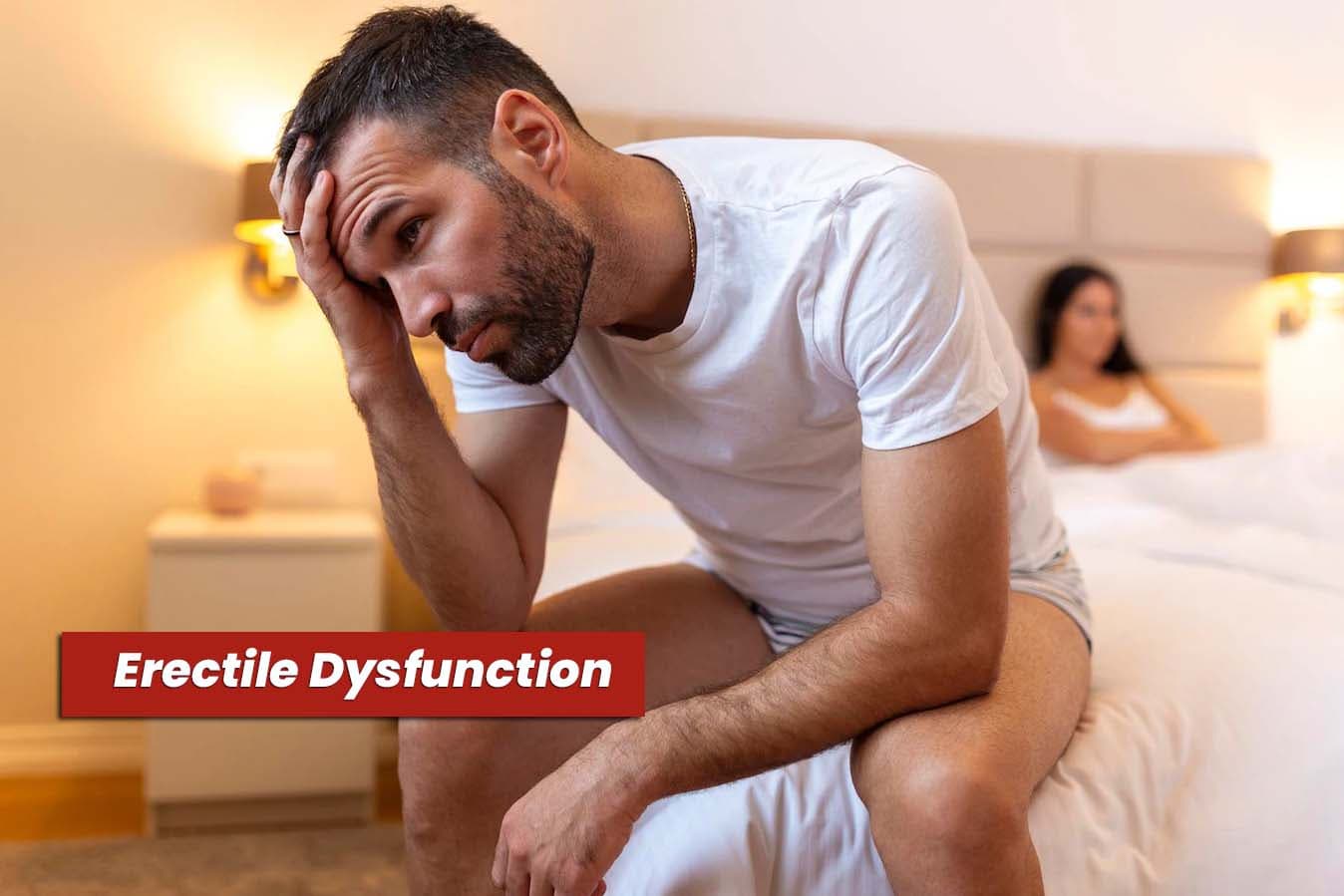
Erectile dysfunction (ED) is a condition in which a person cannot get or keep an erection long enough to have sex. This can happen for a number of reasons, including vascular problems, neurological disorders, mental health disorders, and traumas. A doctor or nurse can figure out what's wrong with your erectile dysfunction and help you get better.
It's not always a big deal if your erectile dysfunction comes and goes. If you can't get or keep an erection, it can be stressful, make you feel bad about yourself, and make it hard to get along with other people. If you can't get or keep an erection, it could mean you have a serious health problem that needs to be checked out right away. It might also raise your risk of heart disease.
If you're having trouble getting an erection, don't worry. You should see your doctor if you are worried, even if it makes you feel bad. Taking care of a main health issue can sometimes fix erectile dysfunction. In some situations, you may need medicines or other targeted treatments.
Signs and symptoms
Some common signs of erectile dysfunction are:
Trouble getting an erection Problems keeping an erection A drop in sexual desire
When is the right time to see a doctor?
If you have issues getting an erection, you should see your family doctor. If you have any of the following, talk to your doctor:
People may be worried about their erectile function or have other sexual problems, such ejaculating too soon or too late. People with diabetes, heart disease, or other known health problems may have trouble getting an erection. You have other symptoms besides erectile dysfunction.
Reasons
There are several parts to male sexual arousal, including the brain, hormones, emotions, nerves, muscles, and blood vessels. Any of these things could cause erectile dysfunction. Stress and mental disease can also make erectile dysfunction worse.
Erectile dysfunction can result from a combination of physiological and psychological reasons. For example, a minor physical issue that diminishes sexual desire may induce anxiety for the maintenance of an erection. Anxiety can make sexual problems worse or even create them.
Physical elements that lead to erectile dysfunction
Physiological reasons can be responsible for erectile dysfunction in several cases. Common factors include:
Heart problems Atherosclerosis, or clogged blood vessels A lot of cholesterol High blood pressure Obesity and diabetes Metabolic syndrome is a health problem that causes high blood pressure, high insulin levels, obesity around the middle, and high cholesterol. Parkinson's disease Multiple sclerosis Some prescription drugs Using tobacco Peyronie's disease is when scar tissue forms in the penis. Substance abuse, such as drinking, and sleep disturbances Low testosterone levels Ways to deal with prostate cancer or benign prostatic hyperplasia Surgical interventions or injuries affecting the pelvic area or spinal cord
Erectile dysfunction may be caused by psychological causes.
The brain is essential for starting the chain of physiological events that lead to an erection, starting with feelings of sexual excitement. There are a number of things that might make sexual feelings less intense and make erectile dysfunction worse or cause it to develop. The objects listed above include:
Stress Mental illnesses such as depression, anxiety, stress, ineffective communication, or other factors that impact relationships.
Things that make you more likely to get sick
As you get older, your erections may not be as strong or as quick. You might need to touch your penis more to get and retain an erection.
There are a number of risk factors that might lead to erectile dysfunction:
Medical disorders, particularly cardiovascular disease or diabetes Smoking can cause chronic health problems like erectile dysfunction by making it harder for blood to flow to veins and arteries. Being overweight, especially being obese, Medical procedures such as prostate surgery and radiation therapy for cancer Injuries, particularly to nerves or arteries that govern erections Antidepressants, antihistamines, and medications for hypertension, pain, and prostate disorders Stress, anxiety, and depression are all mental diseases. Drugs and alcohol, especially people who use them a lot or drink a lot
Problems
Problems that can happen because of erectile dysfunction include:
A sex life that isn't good Stress or worry Feeling embarrassed or having poor self-esteem Problems in a relationship The inability to get your partner pregnant Management and Treatment
What is the best way to cure erectile dysfunction?
The first step is to figure out what is causing erectile dysfunction. Healthcare professionals will assist you pick a treatment.
Some treatments may include:
Cardio exercise. Three times a week of 45 minutes of hard cardiovascular exercise may help mild ED. Walking quickly, jogging, swimming, riding, and jumping rope are all good for your heart. Stopping smoking. Men who quit smoking may see an improvement in their mild ED within a few months. Talking to a sex therapist. Viagra, Levitra, Cialis, and Stendra are some oral drugs that can help blood flow to the penis. Oral drugs start to work within an hour. Low-intensity shockwave therapy for the penis. This sound wave treatment that doesn't hurt boosts blood flow. It can take two months for things to get better. To make an erection happen, you inject alprostadil, papaverine, phentolamine, or a mix of these drugs into the penis. Injectables start to work in 10 minutes. Penis pump: hoover constriction. Penis pumps function quickly. Testosterone replacement therapy comes in the form of gels, injections, patches, and pellets. Testosterone replacement therapy starts to act in four weeks. The process of getting a penile implant. A doctor puts a gadget in your penis to make it harder. The device doesn't change how you feel, how you pee, or how you orgasm.
Avoidance
Can you stop erectile dysfunction from happening?
Changes in your lifestyle can lower your chance of erectile dysfunction, such as:
Getting cholesterol levels down. Running, jogging, and biking are all beneficial for your heart and lungs. Stay at a healthy weight. Sleep well. Eating fruits, vegetables, and whole grains that are low in fat. Quitting smoking. Stop or cut back on drinking.